City Luxe on Wheels: Wraps That Turn Boulevards into Runways

Materials, Finishes, and the Touch of Urban Light
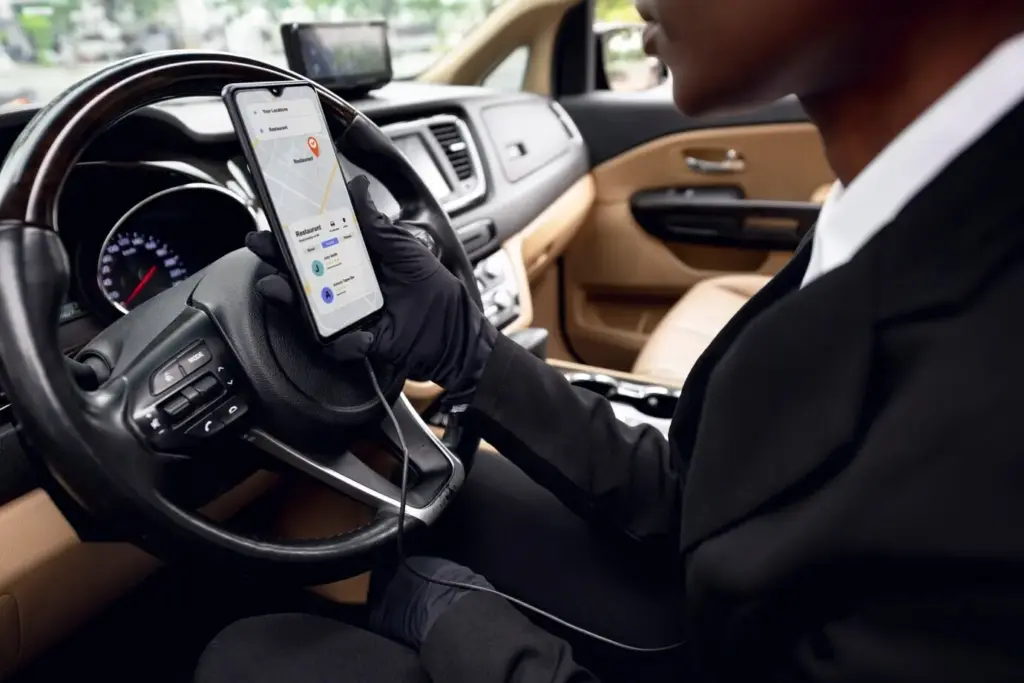
Cast vs. Calendered Vinyl
Finishes That Shine After Sundown
Balancing Protection and Panache
Design Language Borrowed from the Streets
Graffiti Nuance Without Imitation
Borrowing from graffiti does not mean copying tags. Study stroke pressure, paint bleed, and rhythm, then abstract those qualities into vector lines, tonal gradients, or subtle textures. Spotlight movement rather than signatures. Commission collaborations where possible, credit openly, and allow artists to guide authenticity. The result is a luxury interpretation that honors street culture while avoiding appropriation, yielding designs that feel earned, not borrowed, and effortlessly cool when parked beneath a mural or sliding past a brick‑lined alley.
Wayfinding, Grids, and Metro Maps
Transit graphics offer legibility, order, and unexpected beauty. Adapt grid systems to divide panels logically, guiding the eye along fenders and doors with strong typographic anchors. Use line weights inspired by map routes, with thicker strokes signaling power and thinner paths whispering nuance. Add directional arrows sparingly for motion cues. Align intersections with body seams, allowing door cuts to act like station stops. The car becomes a navigable canvas where structure and speed negotiate with harmony.
Cultural Respect and Collaboration
City visuals carry histories, communities, and emotions that deserve acknowledgment. Start with conversations, not mood boards. Invite local creators to critique early sketches, compensate fairly, and credit visibly in captions and at events. Avoid sacred symbols or neighborhood identifiers without context, and be open to revising motifs when feedback reveals blind spots. True luxury includes humility and listening, transforming the process into a shared win where the final result glows with integrity, pride, and lasting community welcome.

Color Stories for Fast Lanes and Slow Evenings

Application Mastery in Tight Urban Spaces
Care, Durability, and City‑Proof Maintenance
Showtime: Photography, Social, and Community

All Rights Reserved.