Effortless Parking for Luxury Drivers: 360 Vision, Smart Sensors, and Seamless Auto‑Park
Today we explore integrated parking technology built for high-end vehicles, combining 360-degree cameras, advanced proximity sensors, and smart auto-park retrofit systems. Expect practical insights, vivid examples, and experience-backed tips that help protect premium finishes, reduce stress in tight spaces, and elevate everyday convenience. We will cover installation realities, calibration essentials, long-term care, and user experience details that truly matter. Share your toughest parking scenario, subscribe for expert updates, and join the conversation shaping safer, smoother maneuvers in the garage, city, and beyond.
The Luxury of Precision Maneuvering
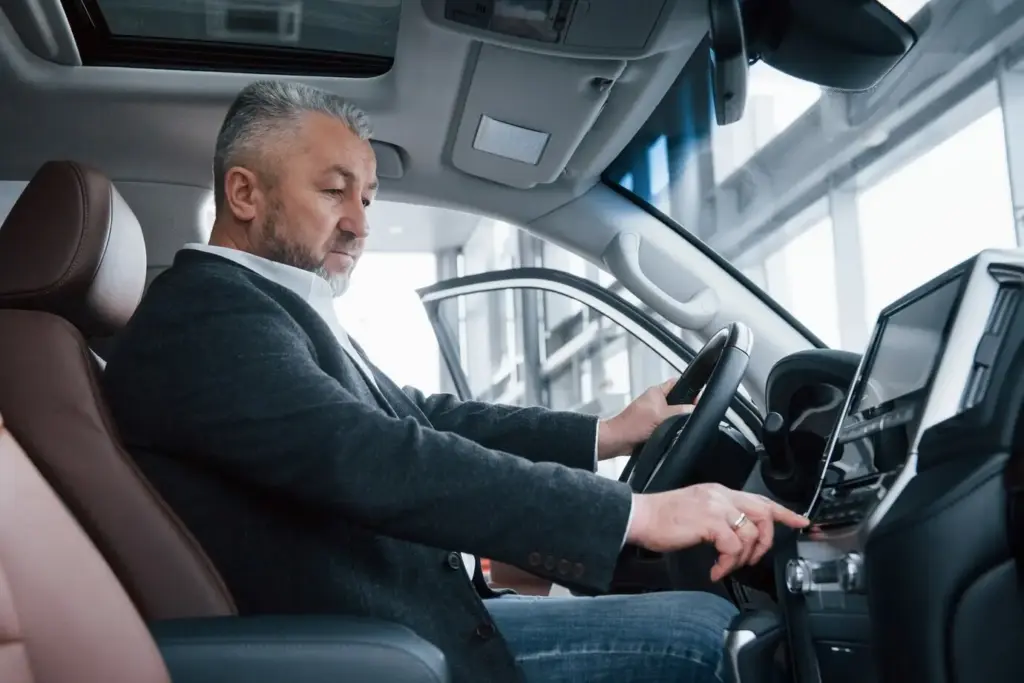
In high-end ownership, parking confidence is more than convenience; it protects craftsmanship, preserves resale value, and turns every tight approach into a calm, predictable routine. Integrated systems provide reliable awareness where mirrors and instincts struggle, from dim underground garages to crowded hotel valets. Owners often report fewer dings, smoother handoffs to family members, and greater peace of mind during cross-traffic surprises. Throughout, we highlight lived experiences and small details—curb heights, wheel finishes, bumper angles—that transform careful theory into trustworthy, everyday results.
From Tight Garages to Valet Lines
Real life brings narrow townhouse garages, spiraling ramps, and hasty valet queues where seconds feel expensive. A well-tuned 360 view, fused with close-range sensors, clarifies space without guesswork, even when mirrors are angled for lane visibility rather than curb precision. Dynamic guidelines, curb alerts, and corner proximity tones translate cluttered scenes into understandable cues. Drivers report calmer entries, fewer second attempts, and smoother departures, especially in dim lighting or awkward angles. Share your typical squeeze point, and we’ll suggest configuration tweaks that really help.
Reducing Costly Bumper Scuffs
A single scrape can cost hundreds to thousands in refinishing, recalibrating parking sensors, or replacing textured trim. Integrated aids lower the risk by warning earlier, showing edges clearly, and guiding approach speed with confidence. Wide-angle coverage reveals low obstacles and odd protrusions—bolts, parking stops, elevator lips—that otherwise vanish beneath the bonnet line. Owners describe multi-month spans without incident after installation, a stark change from prior nagging repairs. Consider documenting before-and-after repair costs; insurers and resale discussions often appreciate clean records and preventive investments.
Confidence for New and Seasoned Drivers
Whether handing keys to an excited new driver or a seasoned enthusiast returning from a long trip, consistent cues matter. The same chimes, overlays, and sensor tones across maneuvers build muscle memory. Owners report heightened calm during parallel parking and angled spaces with obstructed sightlines. Veteran drivers like accurate edge detection for carbon splitters and diamond-turned wheels, while new drivers gain early awareness that prevents developing bad habits. The net result is predictable control and fewer surprises across family members, visiting friends, and valet teams.
How the 360-Degree View Comes Together
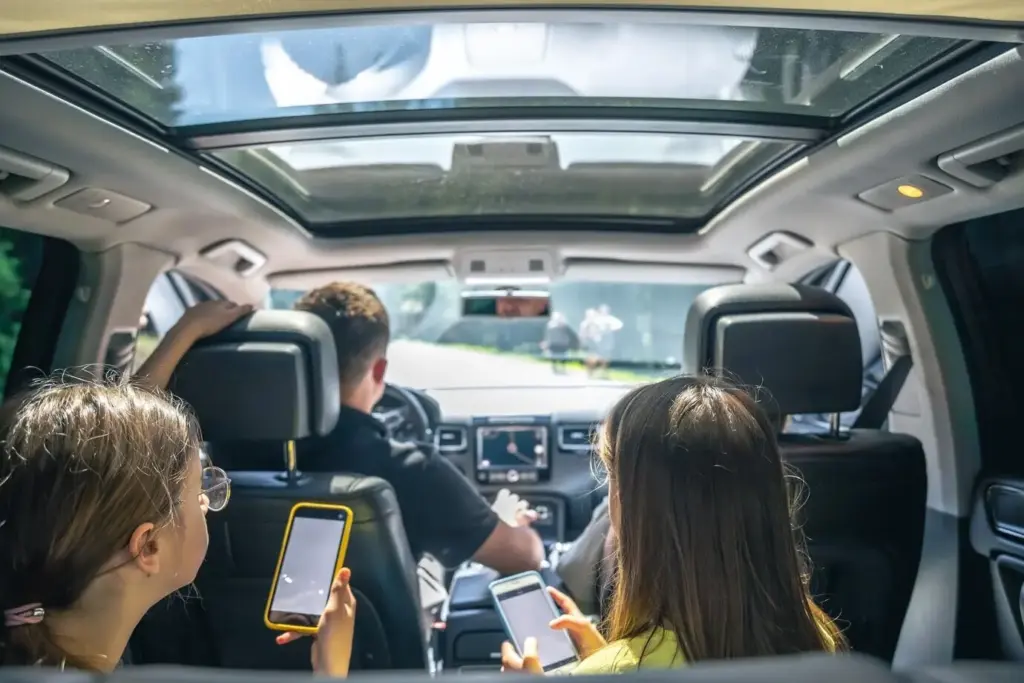
A true surround view relies on four or more wide-angle cameras, a dedicated ECU, and intelligent stitching that compensates for body curves and camera offsets. Correct calibration matters; even a few millimeters of misalignment can distort perceived distance or hide an obstacle. Quality systems align overlays with wheel angle, respond smoothly to steering inputs, and maintain clarity without over-sharpening. We will examine mounting positions, lens selection, image processing pipelines, and what distinguishes a luxury-grade output from a merely adequate one in demanding environments.
Sensors That See Beyond Mirrors
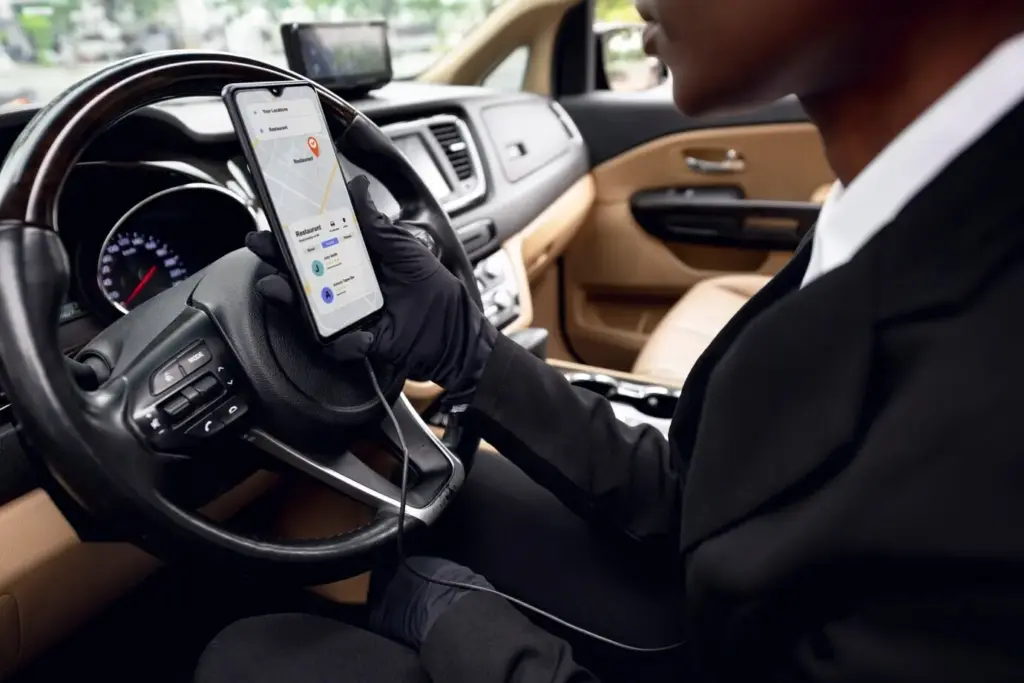
Ultrasonic transducers excel at very short distances, while short-range radar tracks moving obstacles and cross-traffic with greater reliability. Fused together, they predict gaps, identify approach vectors, and keep awareness stable even when a camera momentarily loses clarity. Calibration, shielding, and thoughtful bumper placement minimize false alerts from exhaust tips or decorative grilles. We will examine integration paths, CAN messaging, and practical edge cases that influence alerts in busy garages. The goal is dependable proximity insight that complements, rather than distracts from, the stitched surround view.
Ultrasonic sensors read ultra-close obstacles with remarkable nuance, shining during slow maneuvers near curbs and concrete posts. Short-range radar remains reliable at slightly longer distances and can detect moving hazards, like carts or cyclists, crossing behind. Together they provide layered awareness: gentle proximity tones up close, directional warnings for approach vectors farther out. Material choice matters; metalized paints and complex grilles can mask or reflect signals. Accurate mapping and sensitivity tuning prevent chatter. Ask for scenario-based demonstrations, comparing quiet residential alleys with chaotic parking structures.
Bringing cameras, ultrasonics, and radar together requires accurate timestamps, priority rules, and clean access to vehicle networks. Proper CAN integration aligns alerts with steering angle, gear state, and speed, reducing irrelevant warnings. Luxury platforms sometimes provide pre-wired harnesses and reserved ECU space, simplifying retrofit reliability. Well-architected fusion filters transient noise while surfacing actionable cues—like a low post hidden near a quarter panel. Request a documented signal map and post-install logs; these make future troubleshooting faster and help verify software updates did not disrupt crucial message timing.
Assessing Compatibility and Legal Boundaries
Before any hardware order, confirm steering control permissions, gearbox interfacing options, and local regulations governing automated maneuvers. Some regions require driver supervision with hands ready and explicit warnings on the display. Documented risk analysis, signed owner consent, and reproducible test plans keep the project defensible. Review recall histories, service bulletins, and any warranty provisions affecting electronic modifications. A careful paper trail, including pre-install scans and health reports, supports insurers and future buyers. When in doubt, choose conservative configurations prioritizing predictable behavior over flashy but fragile autonomy claims.
Hardware Kits, Mounts, and Harness Strategy
Reliable auto-park relies on rigid mounts, shielded harnesses, and secured grounding. Vibration isolation prevents micro-movements that corrupt sensor alignment during slow, precise maneuvers. Use OEM-style connectors when possible and route cables away from high-current paths and heat. Mount ECUs with adequate airflow and service access for future updates. Label everything: harness branches, pinouts, and inline fuses. During installation, photograph each step; documentation saves hours later if a connector backs out or a bracket shifts. Durable, serviceable hardware is the difference between showroom magic and daily confidence.
Software Coding, Alignment, and Testing
Coding activates features, but calibration and validation make them dependable. After enabling auto-park, perform alignment routines for steering angle sensors, yaw references, and wheel speed sources. Prove stability across parallel, perpendicular, and angled spaces, including imperfect markings and sloped surfaces. Establish takeover rules and verify the system yields gracefully when conditions change. Record videos of trial runs, with on-screen overlays, and archive logs for posterity. Finally, brief the owner on limitations and maintenance steps. Your diligence today is what keeps tomorrow’s parking drama-free and reassuring.
Human‑Centered Experience and Safe Handover
Great systems speak the driver’s language through intuitive visuals, tones, and haptics. Clear prompts reduce hesitation, while unambiguous takeover cues eliminate second-guessing when conditions shift. Luxury ownership demands grace under pressure: seamless transitions between manual and assisted control, accessible explainers, and consistent behavior across profiles. Build trust by acknowledging uncertainty—show confidence bands, explain sensor occlusions, and keep manual override straightforward. We share techniques that turn complex perception into supportive guidance so every arrival feels composed, precise, and pleasantly uneventful, even in dim garages with impatient traffic behind.
Designing Cues Drivers Instantly Understand
Human factors win or lose user trust. Use progressive tones that map to distance, overlays that hug actual vehicle edges, and color states that match urgency without panic. Avoid alarm fatigue by suppressing repetitive warnings once acknowledged. Haptic pulses through the seat or wheel can convey direction without stealing eyes from mirrors. Provide brief, plain-language tooltips on tap for deeper context. Field-test with varied drivers—new owners, experts, valets—and refine until feedback converges. Your goal is confidence, not novelty, and a sense that everything behaves as expected.
Clear Takeover Rules and Edge Cases
Drivers deserve predictable boundaries. Define when assistance pauses—excessive incline, unclear lines, narrow gaps—and present reasons on screen. Provide a single, obvious override, plus a secondary failsafe if gloves or accessories complicate inputs. Document rare quirks: metal grates, reflective pillars, or unexpected construction cones. Practice handovers in low-stress spaces so owners memorize responses before pressure mounts. If the system hesitates, explain why with polite clarity. Trust grows when technology admits limits, asks for help promptly, and returns control smoothly without abrupt braking or confusing steering behavior.
Training Owners and Valets
A fifteen-minute orientation prevents months of misunderstandings. Give a guided parallel park, a tight garage entry, and a tricky sloped exit. Encourage owners to feel the cues, then replicate them alone. Provide a laminated quick-start card or a link to concise videos. Train valets to avoid covering sensors with tickets or cloths, and to notice occlusion prompts. Establish a friendly feedback loop: invite questions, share updates, and revisit settings after a week. Confident users treat the system as a partner, not a mystery, improving safety and satisfaction.
Costs, Coverage, and Care Over Time
A smart plan looks beyond the install. Budget for quality hardware, professional calibration, and occasional updates that refine image processing or fusion rules. Verify insurance benefits for collision avoidance and discount eligibility for documented safety upgrades. Understand warranty implications, keep meticulous records, and time recalibration after alignment or bodywork. Simple care routines—cleaning lenses, checking mounts, updating firmware—preserve performance for years. We outline realistic cost ranges, value drivers, and ways to demonstrate return through reduced repairs, stronger resale narratives, and calmer daily driving in demanding urban spaces.
Transparent budgets consider cameras, sensors, ECUs, labor, calibration sessions, and potential trim replacements. Premium choices often pay back in fewer repairs and a stronger resale story emphasizing documented safety enhancements. Some insurers recognize risk reduction; ask about discounts for evidence-backed installations. Keep a maintenance log with photos and dates, especially after winter seasons. Future buyers appreciate proof of careful stewardship. Share your typical parking environment and mileage; we can recommend a cost structure that balances performance, reliability, and the subtle touches that luxury owners value over years.
Protect your coverage by clarifying responsibilities before work begins. Some components remain under manufacturer warranty, while retrofit parts carry separate terms. Compliance with regional regulations and workshop certifications matters, especially for automated maneuvers. Capture pre-install diagnostics, calibration reports, and version numbers for software and firmware. Store these with invoices in a cloud folder and glovebox copy. Clear documentation streamlines claims, accelerates troubleshooting, and reassures future owners that decisions were careful, not improvised. If a change affects function, annotate the timeline so cause and effect remain traceable.
Plan seasonal checkups: clean lenses, confirm sensor torque, inspect harness clips, and run a short validation route. After wheel alignment, tire size changes, or bumper repairs, schedule recalibration to restore overlay and distance accuracy. Firmware updates can improve low-light handling or reduce false alarms in rain; review release notes and keep a rollback path. Encourage owners to report subtle oddities early—misaligned guides, strange tones—before habits form around flaws. A little disciplined care preserves that luxury feel: effortless maneuvers, quiet confidence, and flawless finishes protected each day.

All Rights Reserved.